
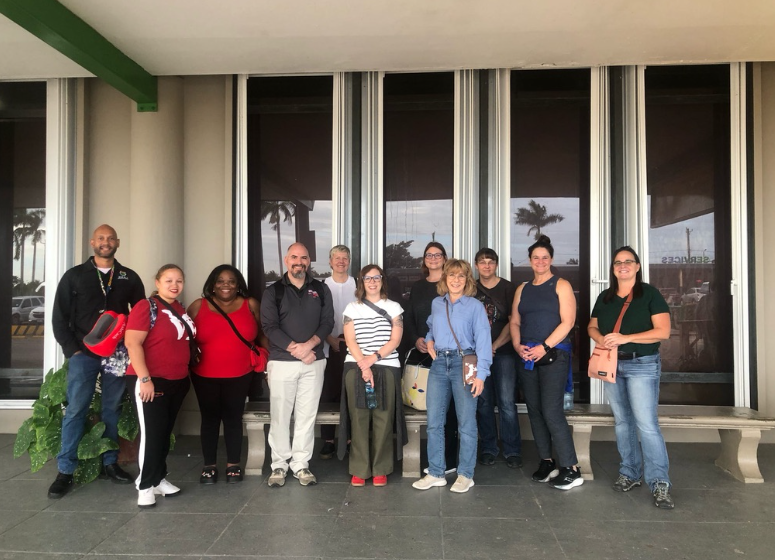
Earlier last year, Tracy Fulce, Chair of the Business and Professional Services (BPS) Department, traveled to Belize for a professional development site visit alongside Ashley Jackson, Chair of the Paralegal Services Department. Hosted by Kambia, the visit focused on exploring the feasibility of a short-term study abroad program that could support both a dual-credit bridge program and a traditional study abroad initiative.
The Site Visit brought together an interdisciplinary group of faculty, including nursing faculty from Boise State and accounting faculty from Ohio Wesleyan. This diverse representation encouraged meaningful dialogue around global education, service-learning, and the role students can play in supporting communities through applied, real-world learning.
Understanding Context Through Experience
One of the most impactful takeaways from the visit was witnessing firsthand the lasting effects of colonialism and the structural realities of capitalism within an emerging economy. These forces were visible in everyday life, particularly in housing practices within Maya communities.
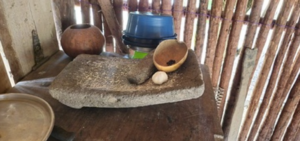
Traditionally, Maya homes featured thatched palm roofs, an environmentally sustainable and hurricane-resistant building method. However, large-scale palm farming for export has significantly reduced access to these materials, making traditional construction costly and difficult to maintain. As a result, many communities have transitioned to concrete block buildings with aluminum roofs, which are often less sustainable and more vulnerable to extreme weather.
Equally concerning is the loss of intergenerational knowledge, as fewer young people are learning the skills required to preserve this traditional architectural practice, highlighting a broader erosion of cultural heritage driven by economic change.
At the same time, communities are responding creatively, developing local entrepreneurial initiatives that could benefit greatly from collaboration with students and faculty.
Learning Through Connection
Site visits to the Aurora Belize Center and the Maya Women Center demonstrated the depth of cultural and educational engagement possible through a thoughtfully designed study abroad program. Faculty were housed at the Toucan Inn, which provided clean and comfortable accommodations within reasonable proximity to potential student project sites.
Some of the most meaningful moments occurred through informal interactions, sharing meals, listening to personal stories, and engaging in conversations with community members about their needs and aspirations. These experiences underscored the transformative power of service-learning and community-based education.
A particularly eye-opening insight for Tracy was the strong Maya presence in Belize, which comprises approximately 11% of the population. This stood in sharp contrast to commonly taught narratives that portray the Maya as an extinct civilization, revealing the ongoing erasure of Indigenous peoples from mainstream education. With an estimated 35,000 Belizeans residing in the Chicagoland area, these insights have direct relevance for the student populations served.
From Reflection to Practice
From a professional perspective, the site visit expanded the vision for global engagement beyond traditional classroom learning. Tracy Fulce reflected on how business and marketing expertise could be used to support Indigenous entrepreneurs within their own communities, while also providing students with meaningful, real-world applications of their academic skills.
Although the initial intent was to develop a study abroad program specifically for BPS students, the experience revealed strong potential for expansion to include nursing and engineering students, creating opportunities for interdisciplinary collaboration and service-learning.
Preparing for Meaningful Engagement
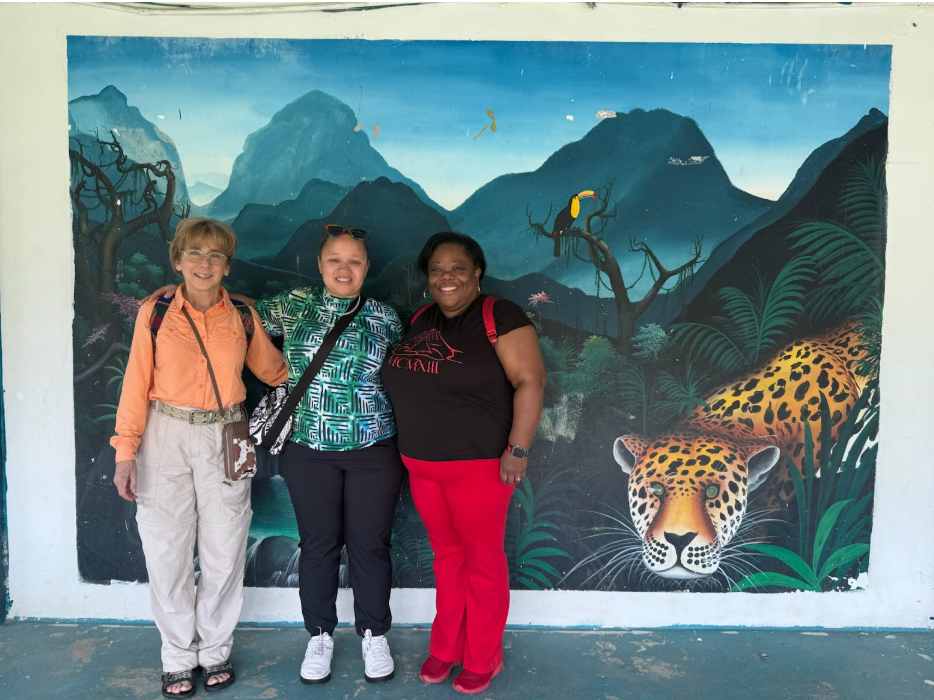
While the visit was overwhelmingly positive, it also highlighted the importance of acknowledging power dynamics and historical context. Navigating spaces shaped by white supremacy and systemic inequities required thoughtful engagement and reflection. These realities reinforced the need for future programs to include comprehensive pre-departure preparation focused on regional history, colonial legacies, and current economic conditions.
Such preparation will be essential to ensuring respectful, informed, and impactful engagement for both students and faculty.
Looking Ahead
This reflection serves as an initial resource for colleagues and students interested in future programming with Kambia in Belize. Faculty considering similar professional development experiences are encouraged to invest time in understanding the socio-economic and historical context of the region to fully appreciate and engage with the communities they visit.
Looking ahead, there is strong enthusiasm for developing a Bridge Program that integrates study abroad and service-learning opportunities. These experiences allow students to move beyond theory, cultivating global awareness, professional confidence, and a deeper sense of responsibility as engaged global citizens.
Special thanks to Tracy Fulce for thoughtfully documenting and sharing her experiences from the Belize 2025 Site Visit. Her reflections offer valuable insight into the power of global education and the importance of creating learning opportunities that are grounded in context, community, and connection.
Interested in learning more about future study abroad or professional development opportunities in Belize?