
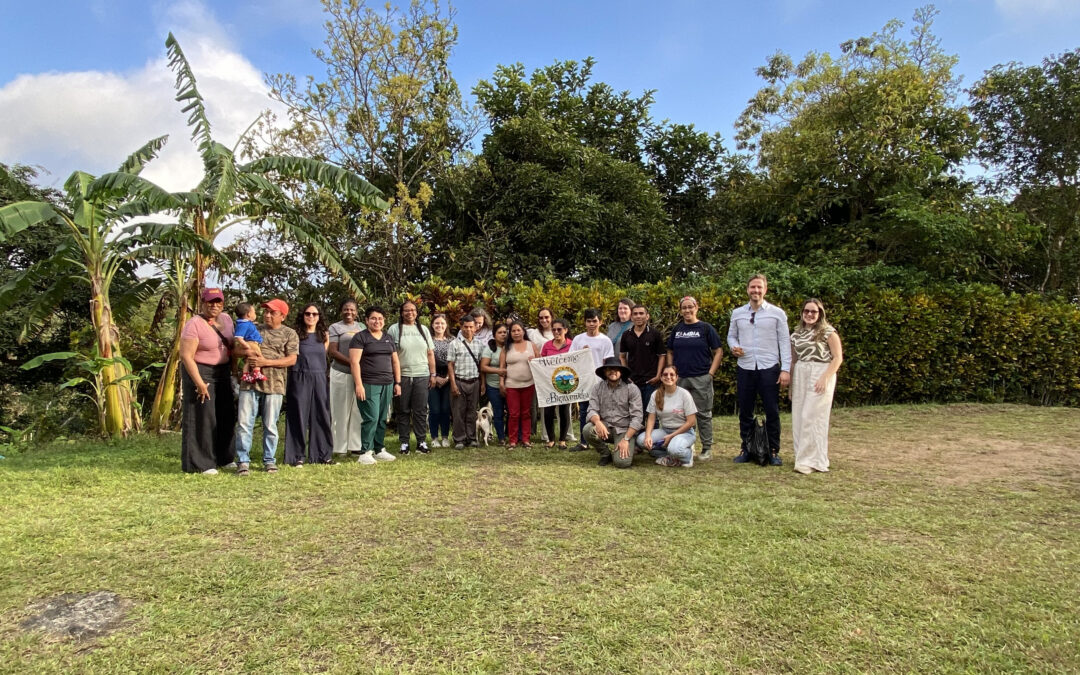
In January, faculty members from universities across the United States joined Kambia for a Site Visit in Panama to get firsthand experience of how our study abroad programs can be integrated into their courses to elevate their curricula while making an impact in communities abroad. It was also a great opportunity for faculty to begin developing relationships with the International Kambia Team in Panama as well as local community partners. This visit was designed to provide a comprehensive look at how our programs operate on the ground and how academic institutions can meaningfully engage with communities through experiential learning.
The Site Visit offered faculty the opportunity to explore the academic, social, and cultural components that define Kambia’s approach, while also creating space for dialogue, reflection, and collaboration.
Community Engagement and Public Health in La Candelaria
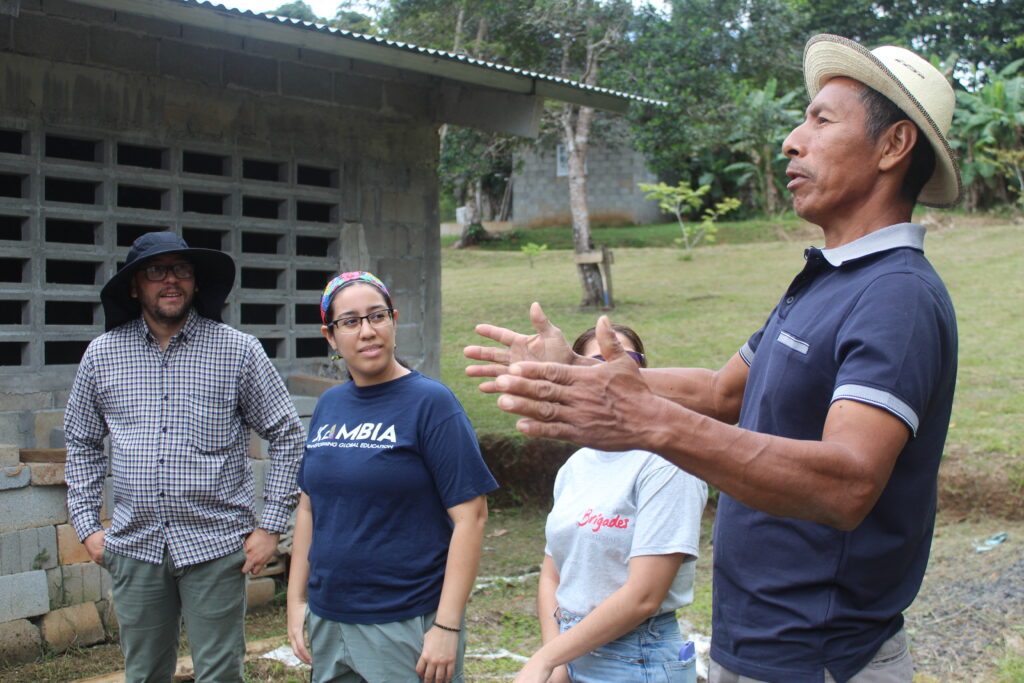
The visit began in La Candelaria, a rural community where faculty members toured a local school and learned more about one of our public health initiatives. During this experience, community members openly shared the challenges they face in their daily lives, particularly those related to access to clean water, sanitation, and basic infrastructure.
These conversations highlighted the importance of sustainable, community-driven solutions. Juan Poveda, Kambia’s local engineer, explained how infrastructure projects focused on sanitation—such as building proper bathrooms and improving access to safe water—can significantly reduce health risks and improve overall quality of life. Faculty members were able to see how these projects directly connect public health theory with real-world impact, making them powerful learning opportunities for students.
Economic Empowerment Through the Community Bank in Membrillo
The Site Visit continued in Membrillo, where the group visited the community bank, a cornerstone of Kambia’s economic development efforts. Community members explained how the bank operates and how it serves as a vital resource for local entrepreneurs, enabling them to invest in and grow their businesses.
During this visit, Claudia Barnett, Manager of Kambia’s Business Program, shared how the microloan system works and why it has been so impactful. These loans provide entrepreneurs with access to capital that would otherwise be unavailable, empowering them to improve their income, support their families, and strengthen the local economy. Faculty members gained insight into how business, finance, and social impact intersect within Kambia’s programs.
A Holistic Model for Sustainable Development
At Kambia, we strongly believe in a holistic development model—one that recognizes that communities thrive when multiple needs are addressed simultaneously. Our programs integrate public health initiatives, access to healthcare through the Kambia Nursing Program, availability of medications and medical consultations, and economic empowerment through our Business Program.
By working alongside community banks and local entrepreneurs, and by ensuring access to healthcare and education, communities are better positioned to grow sustainably. Kambia’s role is to provide the tools, resources, and opportunities that allow communities to take ownership of their own development and long-term success.
Program Design and Academic Flexibility
As part of the Site Visit, faculty members attended a detailed program presentation led by Nicole Marques, Program Associate at Kambia. She explained the variety of program itineraries available and demonstrated how academic experiences can be customized and combined. This flexibility allows institutions to design interdisciplinary programs that blend healthcare, business, engineering, public health, and community engagement—tailored to specific learning objectives.
Faculty were able to explore how classroom learning can be seamlessly connected to experiential activities, creating programs that are both academically rigorous and deeply impactful.
Cultural Immersion in Panama City
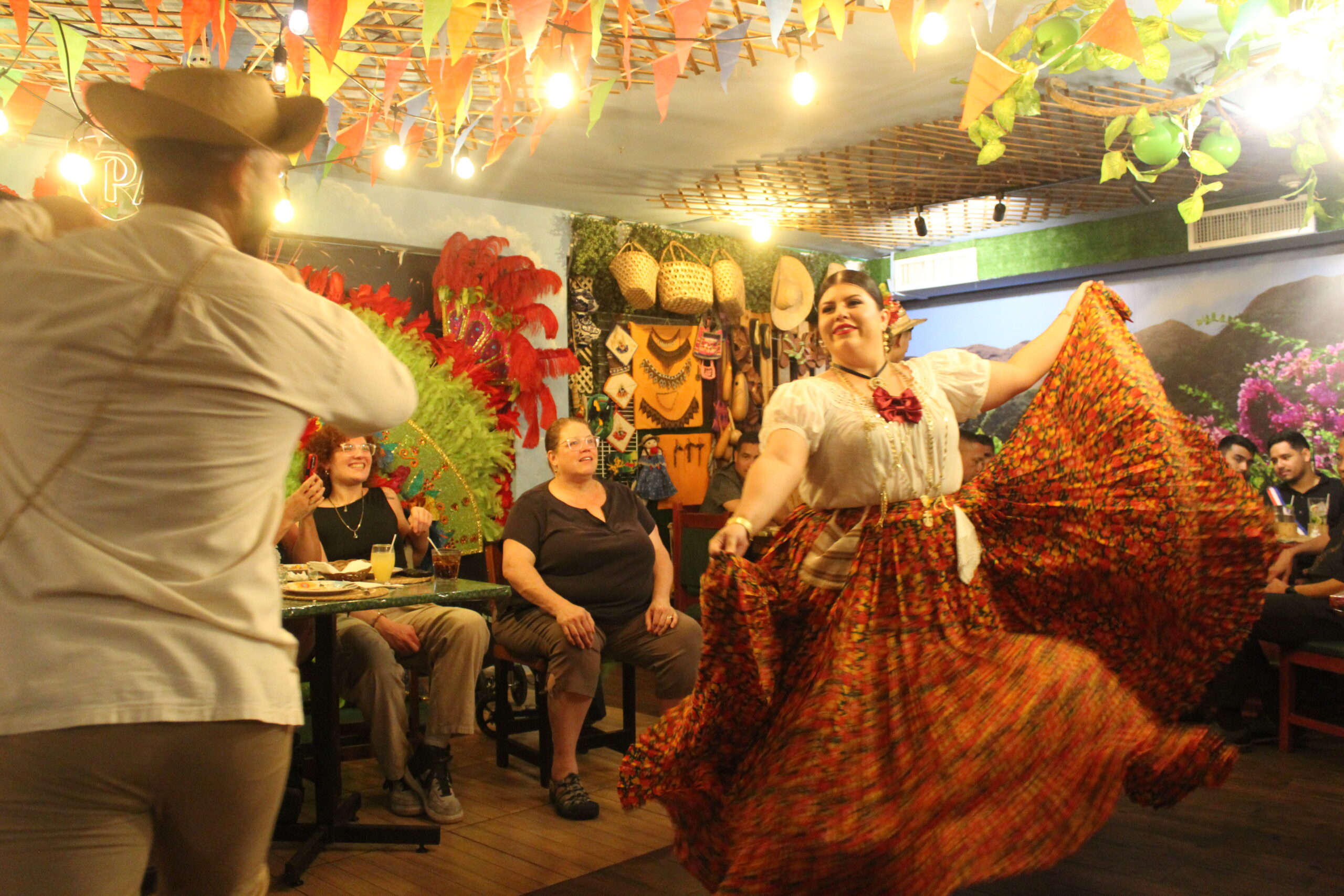
The experience also included visits to some of Panama City’s most iconic cultural landmarks, including the Panama Canal and Casco Antiguo (Old Town). These cultural activities are an essential part of Kambia’s programs, offering students and faculty a deeper understanding of Panama’s history, culture, and global significance.
By integrating cultural immersion into academic itineraries, programs provide a more holistic and meaningful experience—one that encourages global awareness, cultural sensitivity, and reflection.